|
Associate Professor Prof. Hsu, Yu Hsun |
|||||||||||||||||||||||||||||||||||||||
 |
|||||||||||||||||||||||||||||||||||||||
|
中文 Research Areas: Behavioural ecology, evolutionary ecology, evolution of reproductive strategies, population genomics, conservation genomics, environmental heterogeneity, and local adaptation. Current Research Topics:
Evo-Eco Hsu Lab Behaviour, adaptation, and evolution under environmental heterogeneity and biological constraints
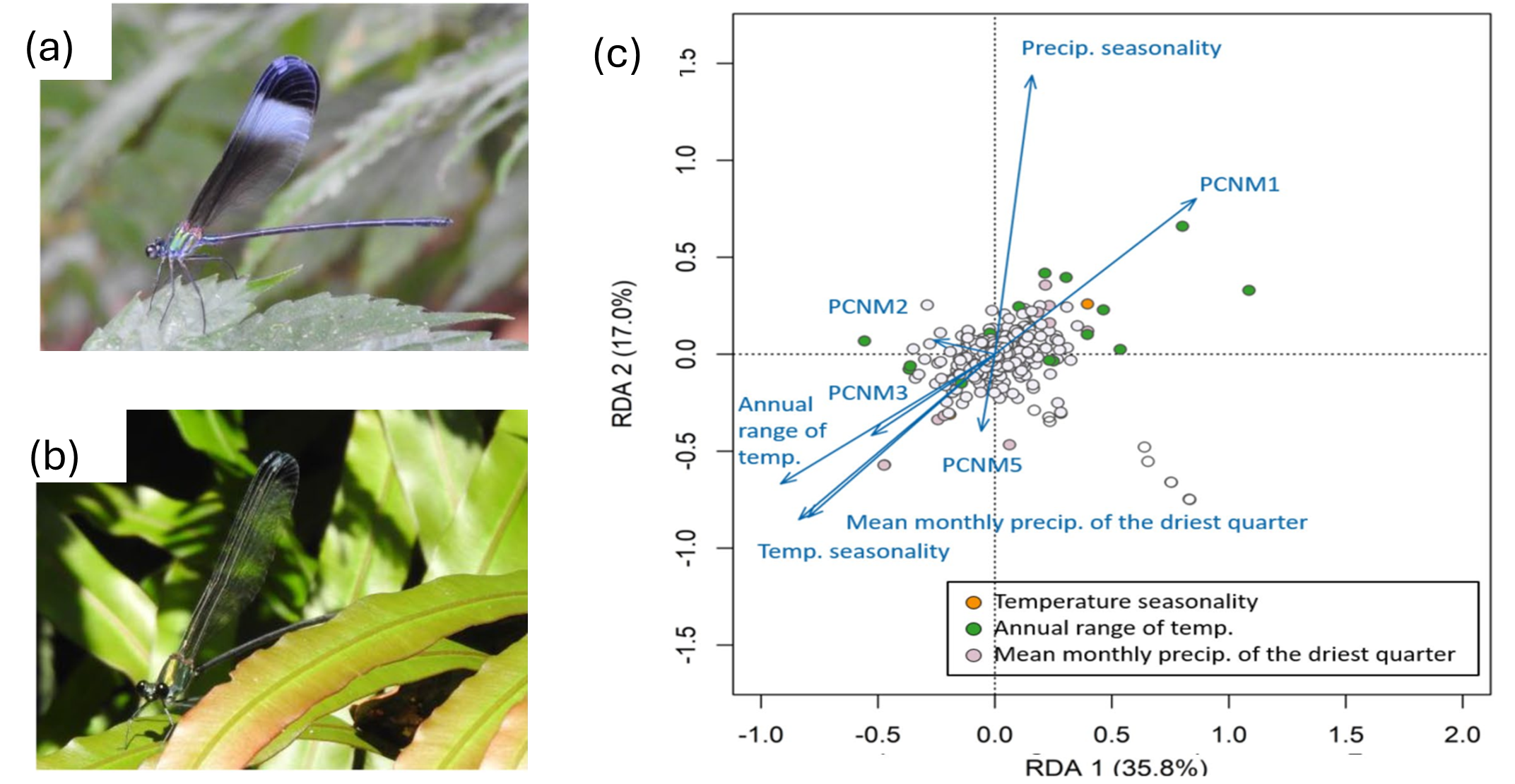
Research Directions Organisms do not evolve in stable and uniform environments. Instead, they continuously face fluctuating climates, changing resources, social interactions, and reproductive pressures. At the same time, sex, life-history stage, physiological condition, and genetic background may constrain the behavioural and adaptive strategies available to individuals under similar environmental conditions. My research examines how organisms adjust their behaviour, reproductive strategies, and phenotypic traits under different biological constraints and environmental contexts, and how these responses shape adaptation, population differentiation, and evolution. A central theme of my work is understanding how constraints and context-dependence jointly generate behavioural and phenotypic variation in natural populations. For example, do males and females respond differently to environmental variation because of their reproductive roles? Does environmental heterogeneity promote strategic shifts, adaptive trade-offs, or local adaptation? Under weak genome-wide population structure, how should phenotypic and genomic signals be interpreted as evidence of environmental selection and adaptive divergence (Figure 1)?
Figure 1. Phenotypic variation and environmental associations in the damselfly Psolodesmus mandarinus under weak population genetic structure. (a) Dark-winged form and (b) clear-winged form. (c) Redundancy analysis (RDA) showing associations among phenotypic variation, climatic variables, and spatial structure, including temperature seasonality, annual temperature range, precipitation seasonality, mean monthly precipitation of the driest quarter, and PCNM spatial variables. (figure from Lin et al., 2026: https://doi.org/10.1186/s12862-025-02462-z)
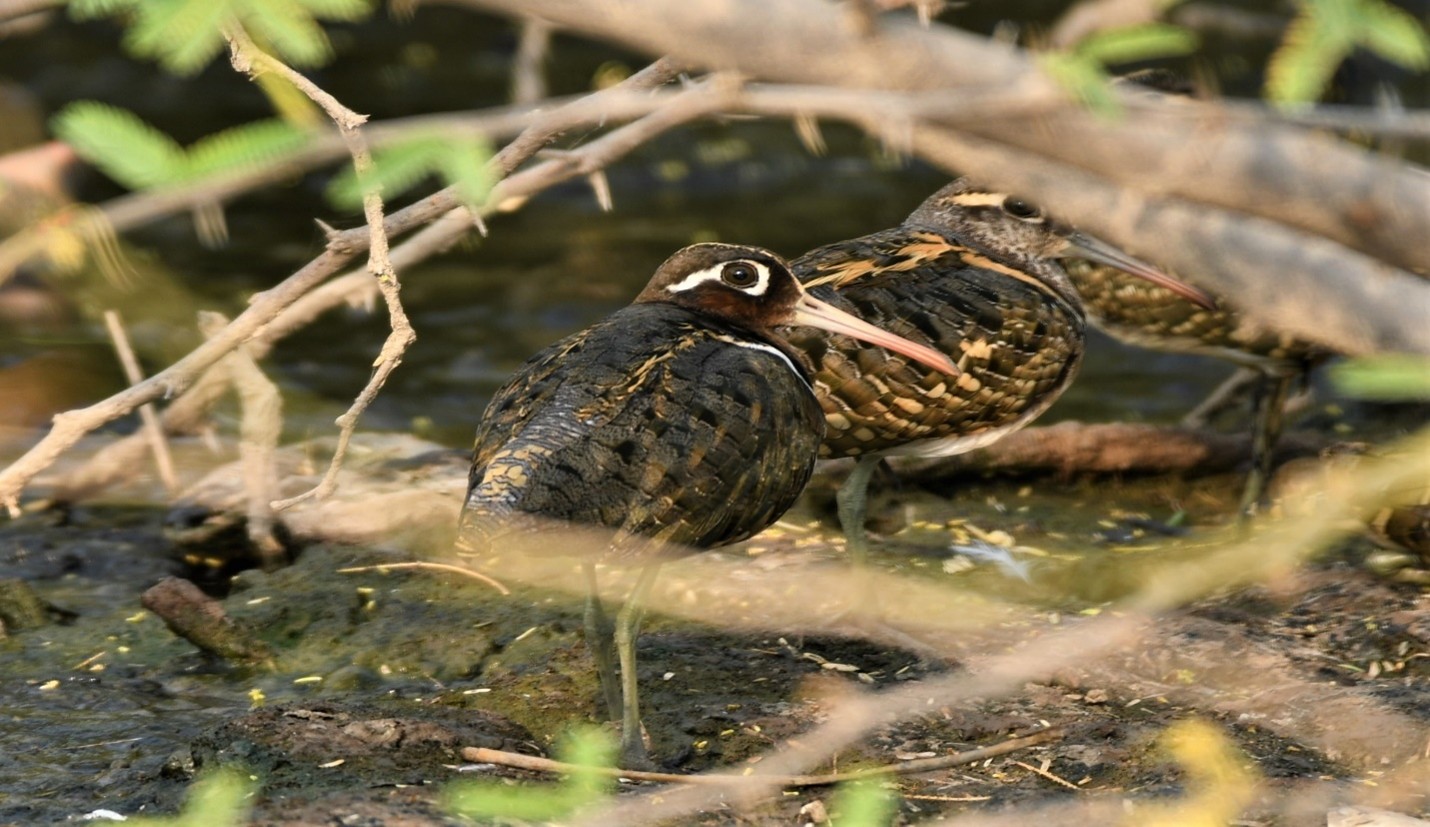
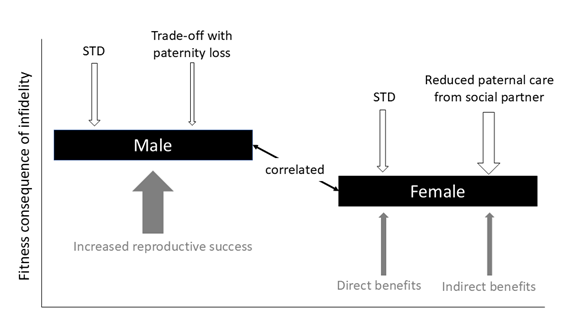
Study Systems Using birds and odonates as complementary study systems, my research examines how environmental heterogeneity and biological constraints shape reproductive strategies, behavioural variation, and local adaptation across ecological and evolutionary scales. In birds, I investigate incubation behaviour, parental care, sex-role divergence in shorebirds (Figure 2), and the evolutionary mechanisms of extra-pair mating under environmental heterogeneity across avian taxa (Figure 3). In odonates, I study phenotypic variation, environmental gradients, population structure, and local adaptation in the damselfly Psolodesmus mandarinus (Figure 1).
Figure 2. Sex-role-reversed Greater painted-snipes, a polyandrous shorebird system used to investigate incubation behaviour, parental care, and sex-role evolution under environmental variation. (Photo taken by Shalini Jain.)
Figure 3. Potential fitness benefits and costs of extra-pair mating in males and females. Males may increase reproductive success through extra-pair fertilizations but may also face trade-offs such as sexually transmitted diseases (STD) and paternity loss. Females may obtain direct or indirect benefits from extra-pair mating, while also experiencing potential costs including STD risk and reduced paternal care from the social partner. The figure also illustrates the potential genetic correlation between male and female tendencies for infidelity. (Figure from Hsu, 2022: https://doi.org/10.1093/oxfordhb/9780197502891.013.30 )
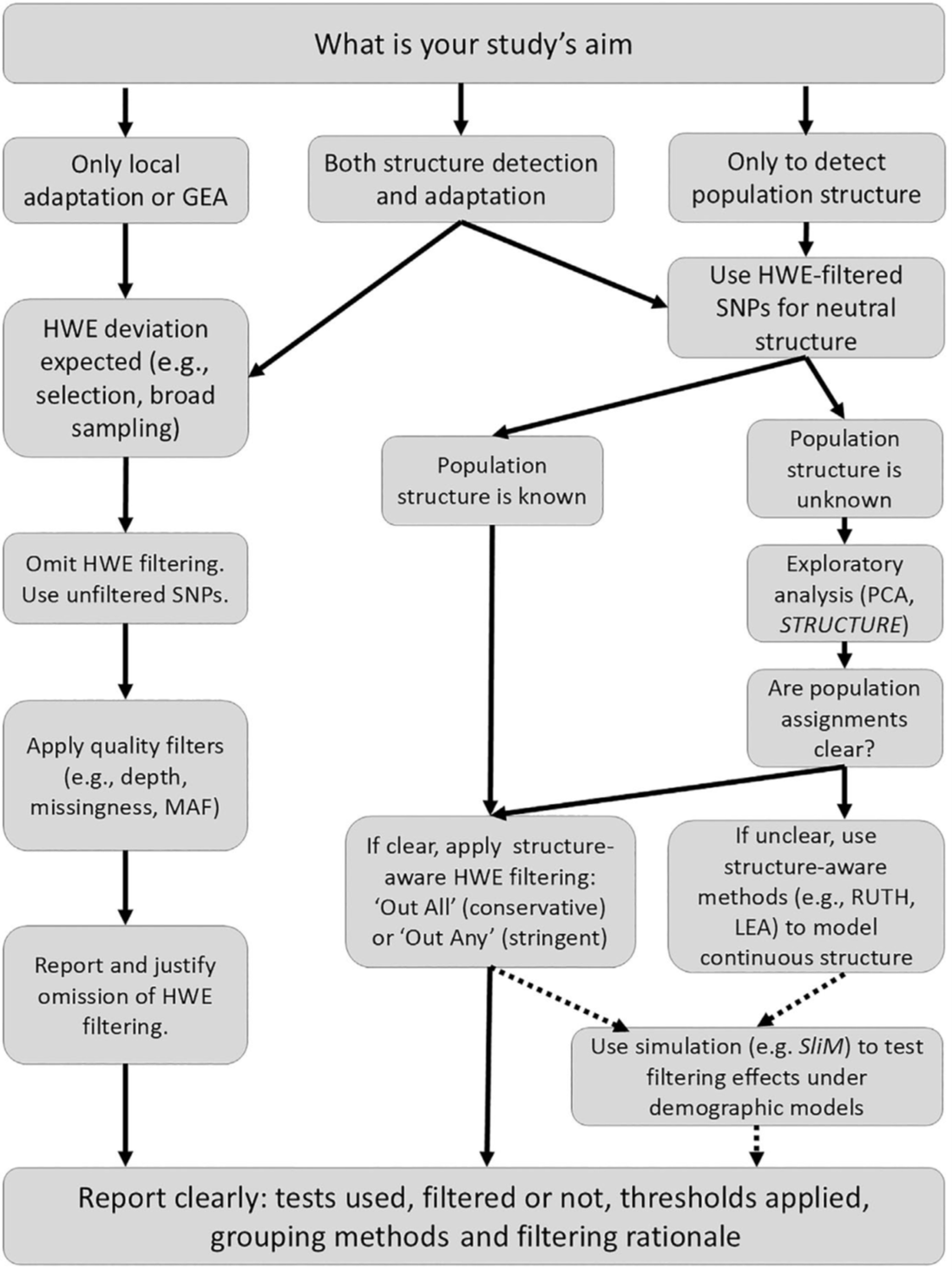
Research Framework and Integrative Approaches Our lab adopts an integrative eco-evolutionary framework that links individual strategies observed through field surveys and long-term behavioural observations to phenotypic and genetic variation revealed by morphological, environmental, and population genomic data. Through statistical analyses, theoretical models, population genomic approaches (Figure 4), and phylogenetic comparative methods, we investigate how behavioural and phenotypic variation emerges and is maintained across different environmental and evolutionary contexts. By integrating evidence across behavioural, phenotypic, genomic, population, and macroevolutionary scales, the Evo-Eco Hsu Lab aims to develop a broader framework for understanding how organisms generate adaptive strategies under environmental heterogeneity and biological constraints, and how these processes shape biodiversity, conservation, and adaptive potential under environmental change.
Figure 4. Suggested workflow for Hardy–Weinberg equilibrium (HWE) filtering in population genomic studies. The framework provides filtering and inference strategies based on study aims, population structure information, and the requirements of local adaptation or genotype–environment association analyses. (Figure from Hsu, 2026: https://doi.org/10.1002/ece3.72688)
Collaborative Research Network The Evo-Eco Hsu Lab collaborates with national and international research groups, integrating long-term field data, behavioural observations, genomic analyses, and theoretical approaches to investigate reproductive strategies, parental care, and local adaptation under environmental variation. Current collaborations include long-term avian research programmes in the United Kingdom, European shorebird reproductive ecology networks, and biodiversity and theoretical evolutionary research groups in Taiwan. |
|||||||||||||||||||||||||||||||||||||||
|
|||||||||||||||||||||||||||||||||||||||
跳至主要內容

 Previous
Next
Previous
Next
國立成功大學-生命科學系
本系自民國七十一年創系,原名生物學系,於民國九十三年更名為生命科學系
生科系學士班、碩博士班熱烈招生
生命科學系系展-每年不同主題,收穫滿載而歸
生科系用心規劃學生教學實作空間
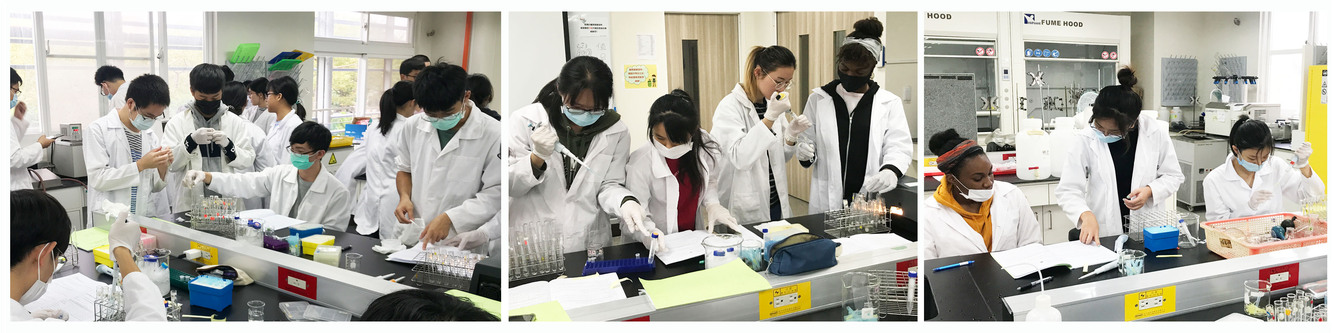
大學部實驗課程
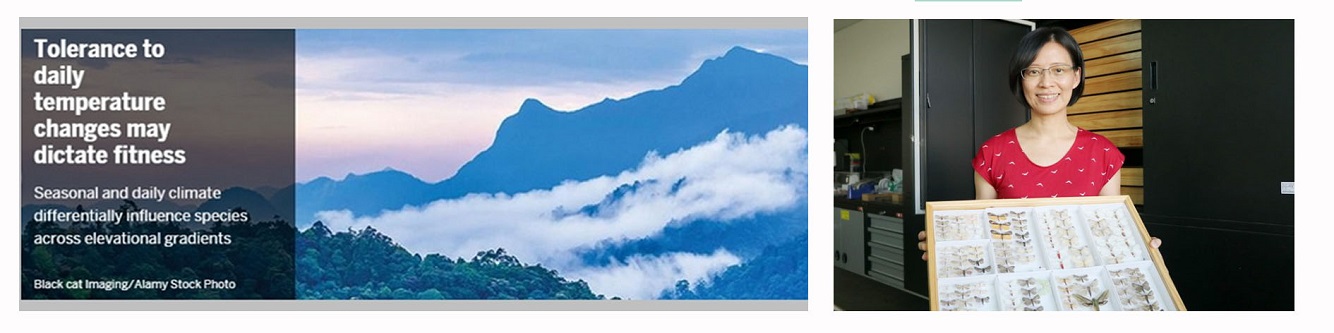
生物面對氣候變異的演化適應
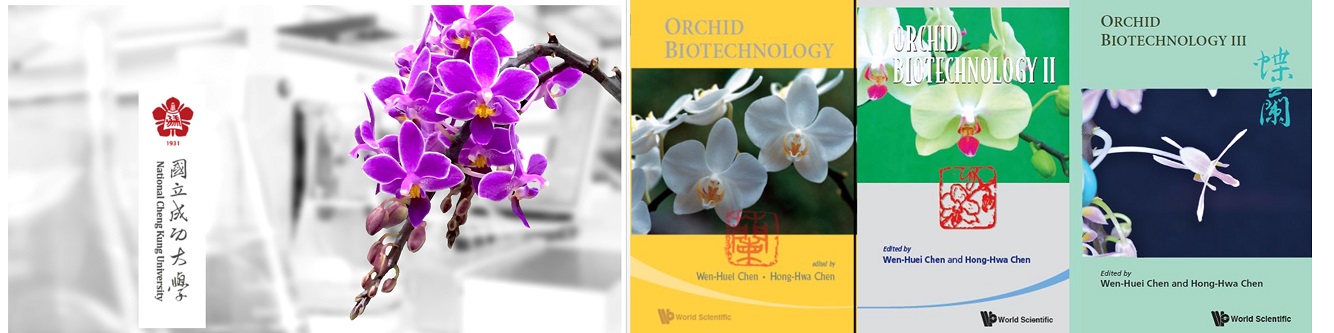
蘭花生物科技
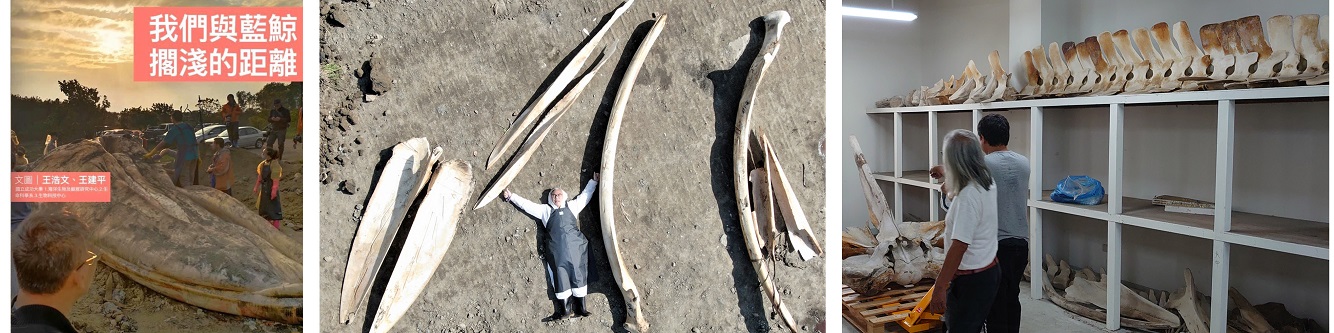
鯨豚救援
國際化課程